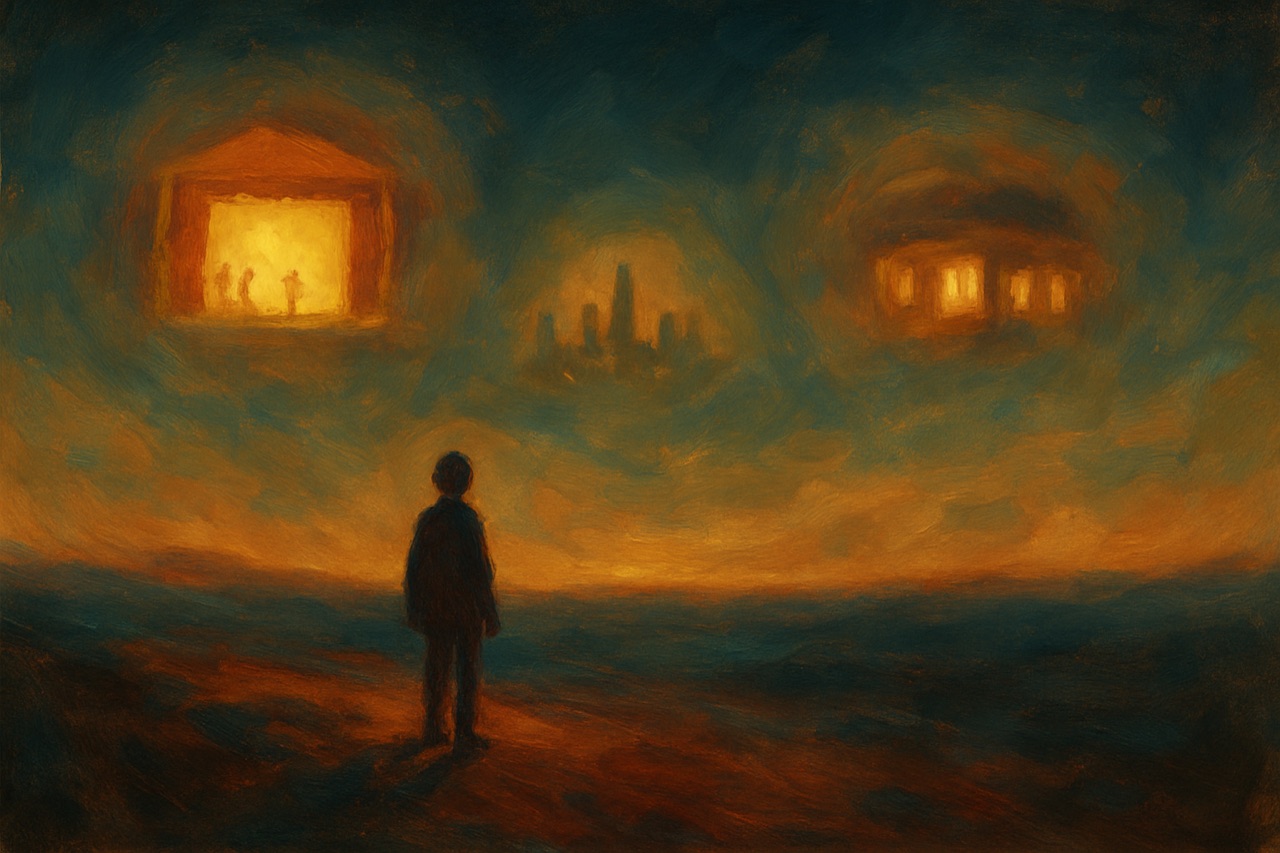
How I Learn Anything in 30 Days
Not willpower — a method: find where the common advice is wrong, build a feedback loop, and let sleep do the heavy lifting.
Solo founder · builder · maker of too many things
I build apps and businesses, write worlds, run games, and learn hard things in 30-day sprints — and I'm looking for talented, curious people to make the next ones with.
Here are a few of mine. Scroll through, and let's build the next one together.
Walk the dunes ↓ · drag to stir the sand
01Building — current work
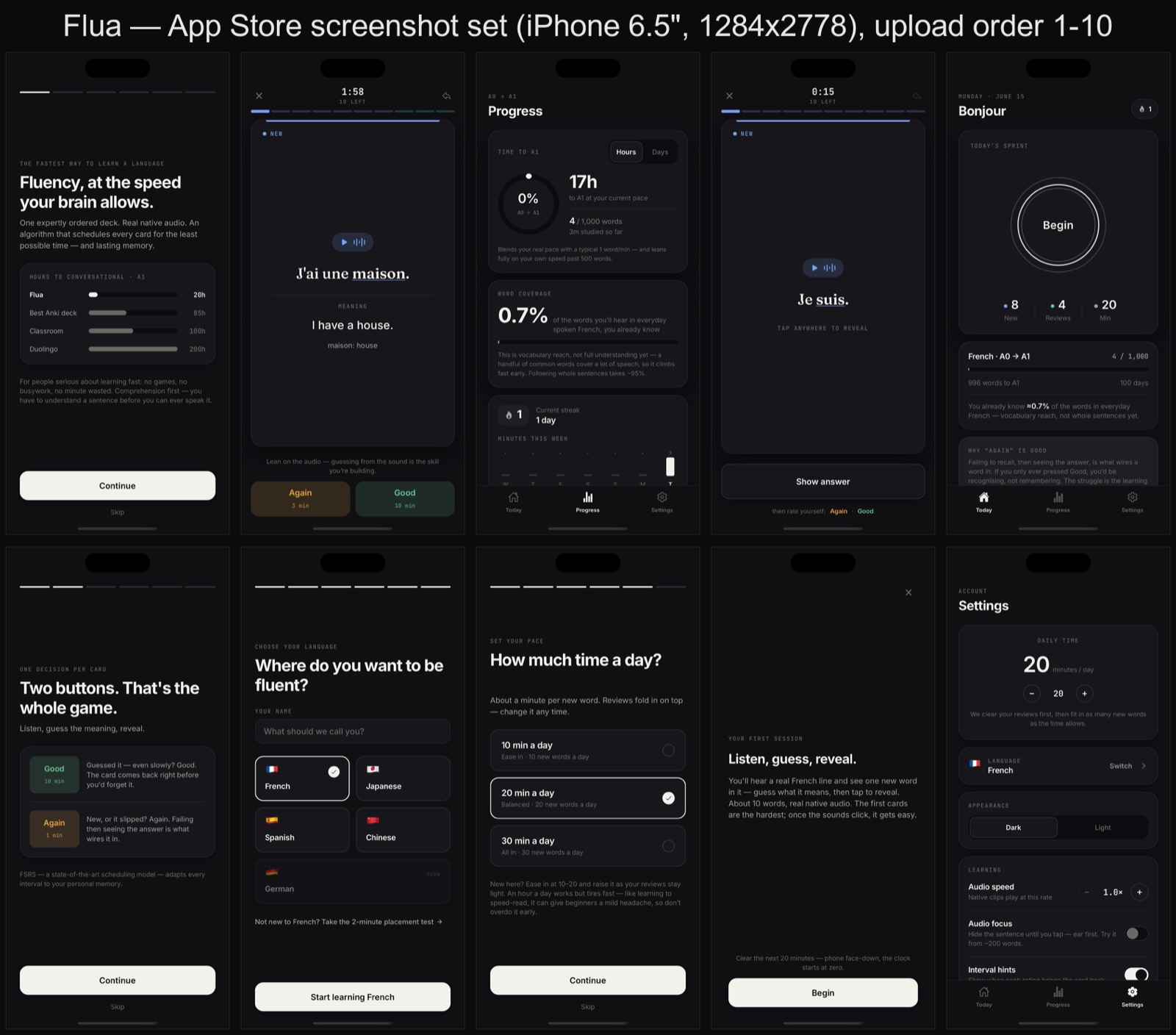
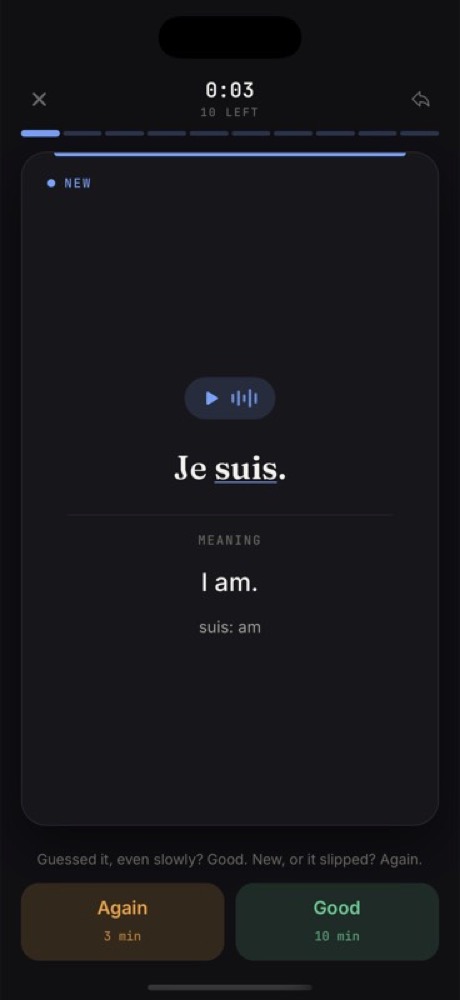
The fastest honest path to a new language: one expertly-ordered deck, real native audio, and spaced repetition that does the thinking for you. I taught myself Japanese to A1 in ~20 focused hours with the method, then spent a year building the app that strips out every ounce of the friction that makes people quit.
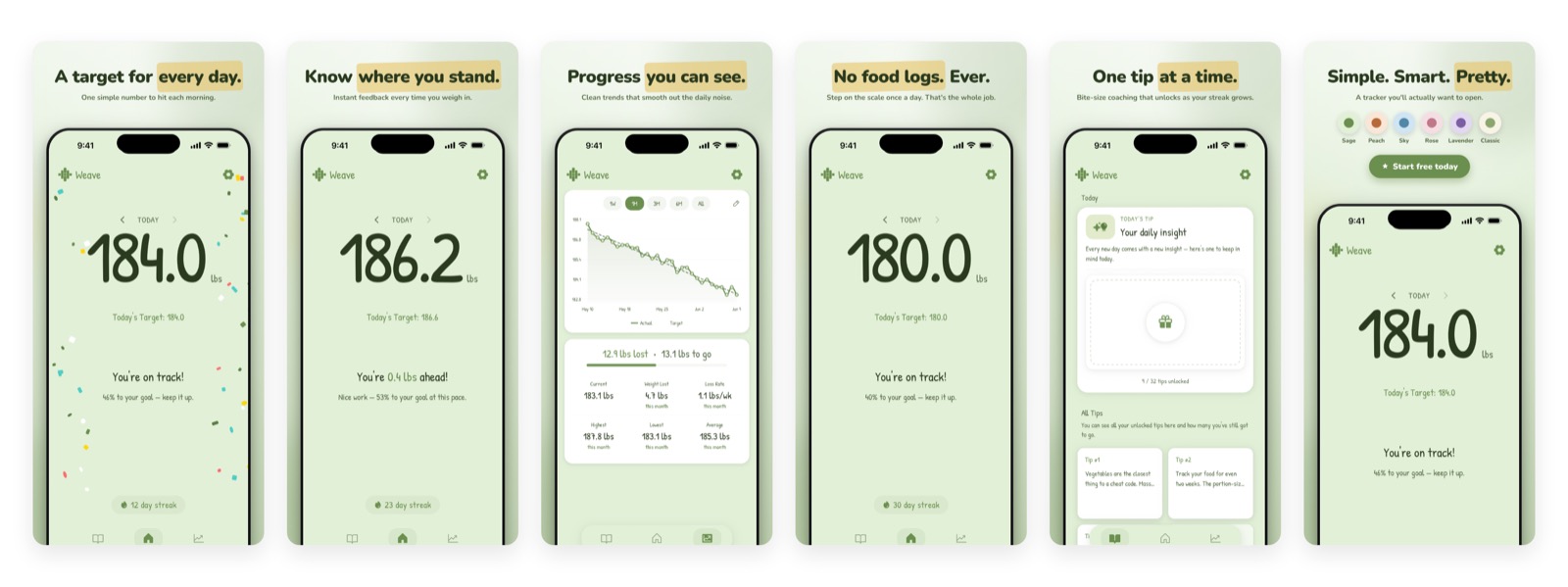
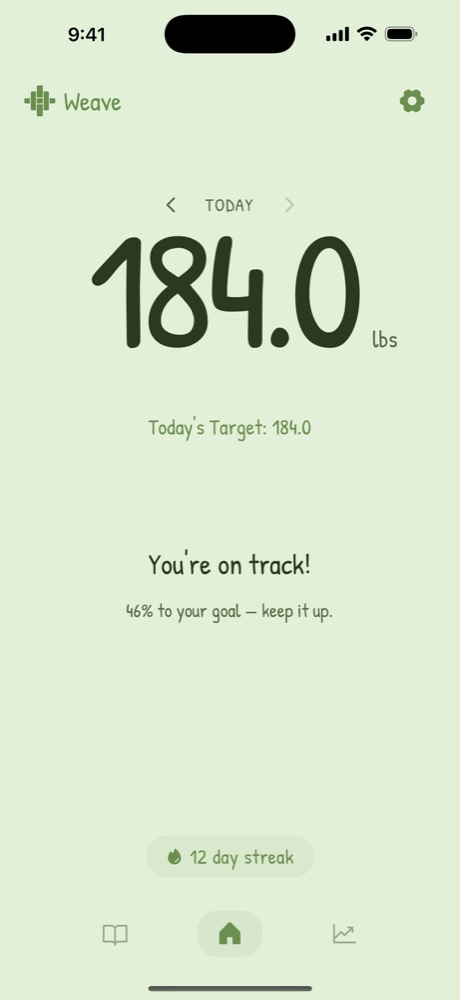
A minimalist weight-and-habit tracker built so the graph does the nagging. My mom lost 17 lbs with it.
A focus / calm tool — the small, well-made kind of app I like to ship.
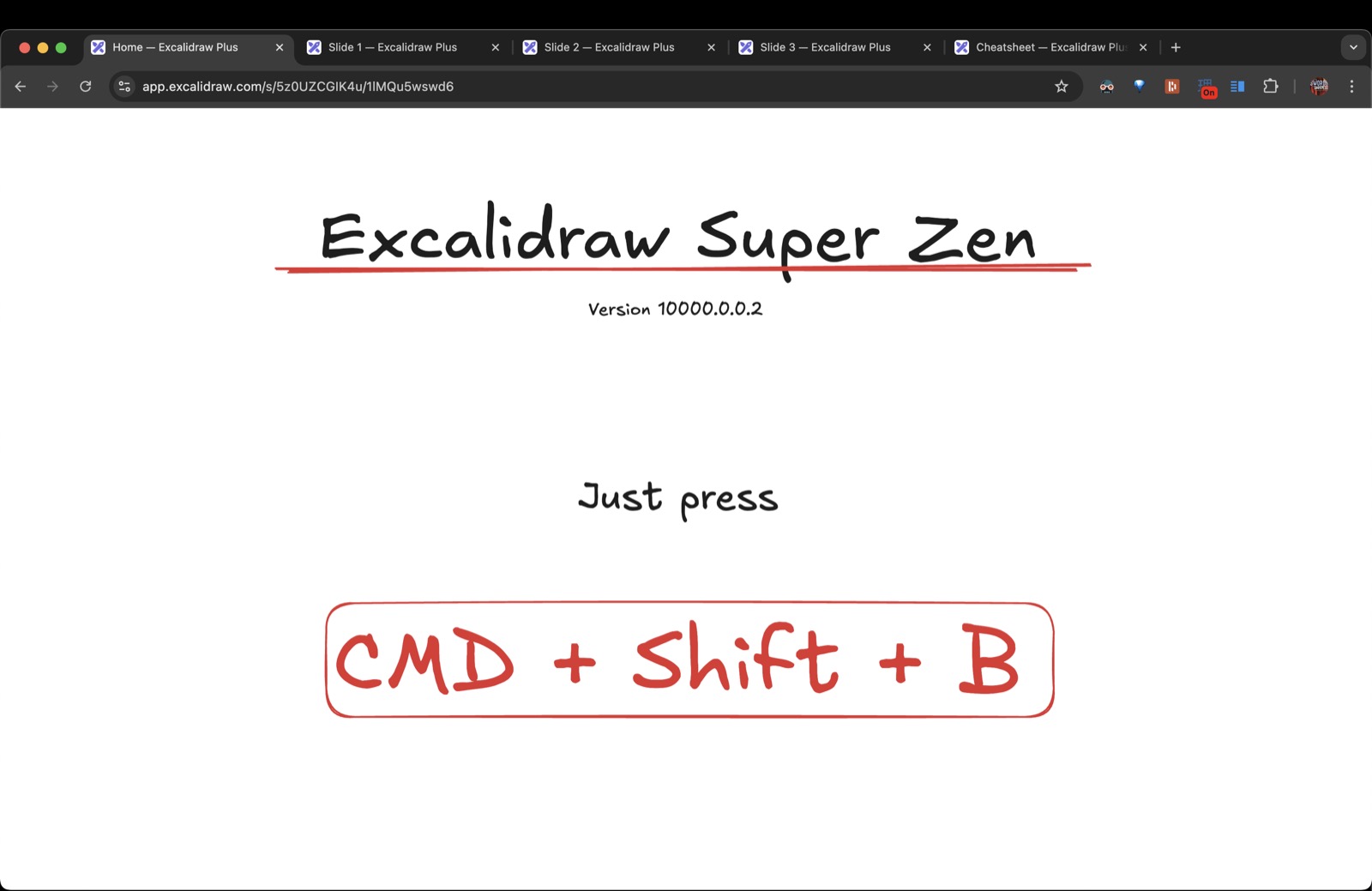
A metronome that actually feels good; a tool to find the episode where a show finally gets good.
~160 catalogued app, game, business, book and product ideas — each ranked, named and MVP-scoped (roughly 28 are games) — and a habit of turning the best ones into real, shipped things. Grab one off the shelf and build it with me.
02 · Side IThe Maker
Apps, ~160 ideas, and the one move underneath all of them: find the right thing to build, then build the honest version. The domains change; the method doesn't.
It started as a need to make — small tools, then real apps, then businesses. The throughline isn't a stack or a market. It's a way of working: research where the common wisdom is wrong, scope the shortest honest path, and ship the version that actually respects the person using it.
The domains change. The method doesn't.— from the notes
Side IIWorlds & Stories
I've built worlds since I was 11 — a fantasy novel I faked my way into finishing and published at 14, a 150k-word dark epic in progress (The Swords of Darkness), a homebrew D&D world with its own playbook, and a manga I still want to make.
The teen novel wasn't good. But finishing it taught me the only thing that mattered: that the way through a huge thing is to keep moving while it's still ugly. I've been writing worlds ever since — the maps, the systems, the histories that are already in motion before anyone arrives.
Because I had to fake progress, I accidentally built a real habit. It makes me wonder how many things we could actually finish if we just tricked ourselves into starting.— on the teen novel
Side IIILearning & Teaching
How I learn anything fast, and why I'm building the courses I wish someone had taught me — math, statistical and computational thinking, built for real understanding instead of the exam.
Being called smart my whole childhood made it part of my identity — and I was more afraid to lose that title than I was to fail a class.— About Me
The Method · the 30-day sprint
Pick a skill, go all-in for 30 days. Japanese to A1 in ~20 focused hours. Tone-deaf to singing from memory in a month. Badminton, YouTube, shipping. The trick isn't grinding harder — it's refusing to start until I've found where the common advice is wrong, then building the shortest honest path and letting sleep do the heavy lifting.
Side IVGames & the Table
Take a system apart, find the fun, build it back better — a Balatro-inspired dice roguelike in design, a board game in progress, and D&D run as systems.
Over 100 hours behind the screen taught me that a game is just a machine for generating decisions worth caring about. So I design from the decision outward — and I run my D&D world as a set of systems that are already moving when the players walk in.
Any time the best strategy isn't the most fun strategy, I believe, is a failure of the game's design.— from my consumables essay
Side VThe Modern Bard
Singing, standup, improv, voice acting, speaking — the half of myself I rebuilt on purpose, charisma treated as a built skill.
For years I was the specialist who'd quietly opted out of the rest. Then I treated presence the way I treat everything else — as a skill with a method — and rebuilt it from scratch.
I could not sing. I could not dress well. I was not particularly fit or especially charismatic. I was a very well-compensated specialist with a B-minus in everything else.— how I became superhuman in 2 years
Side VIPhotography & the eye
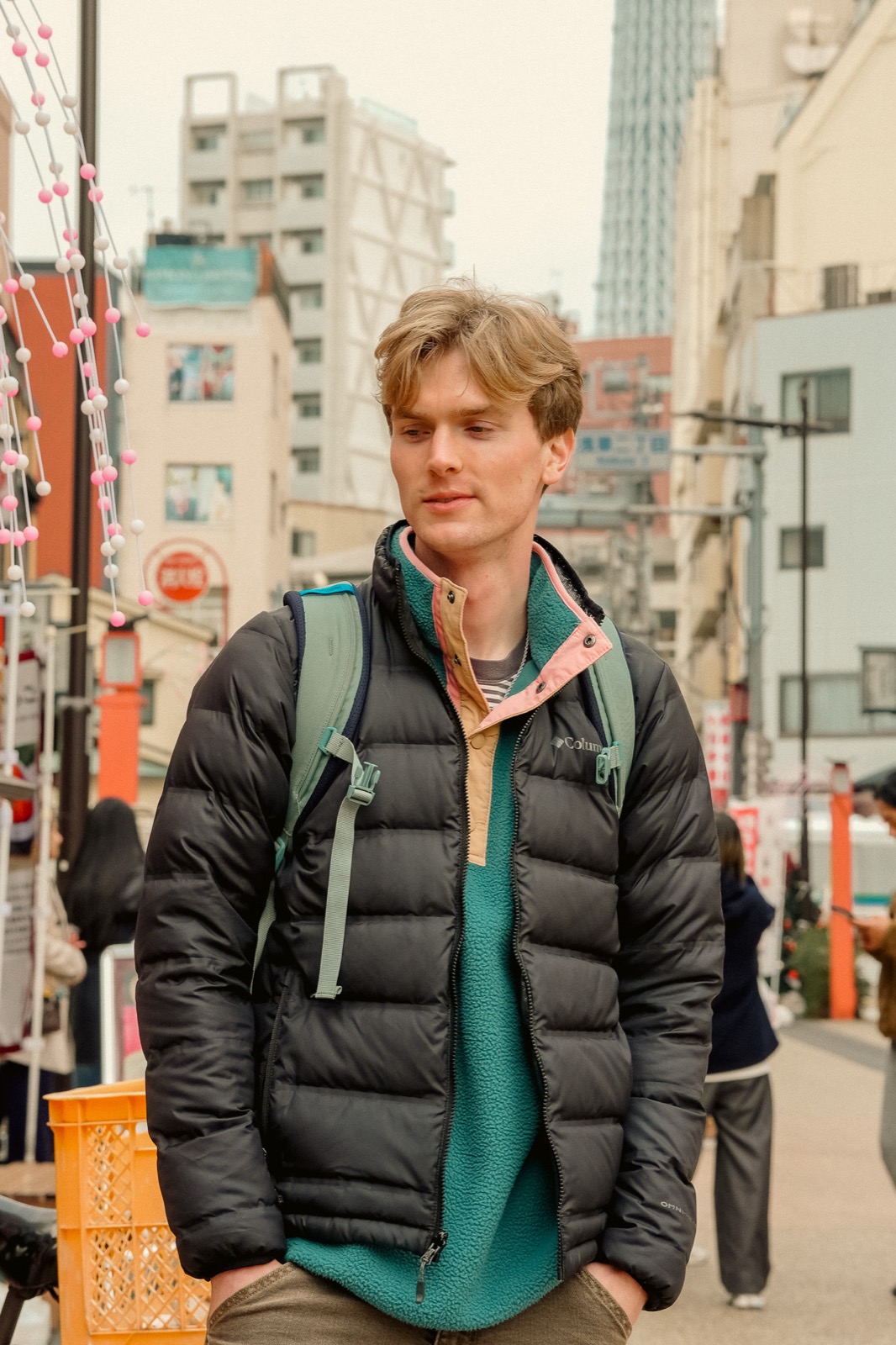
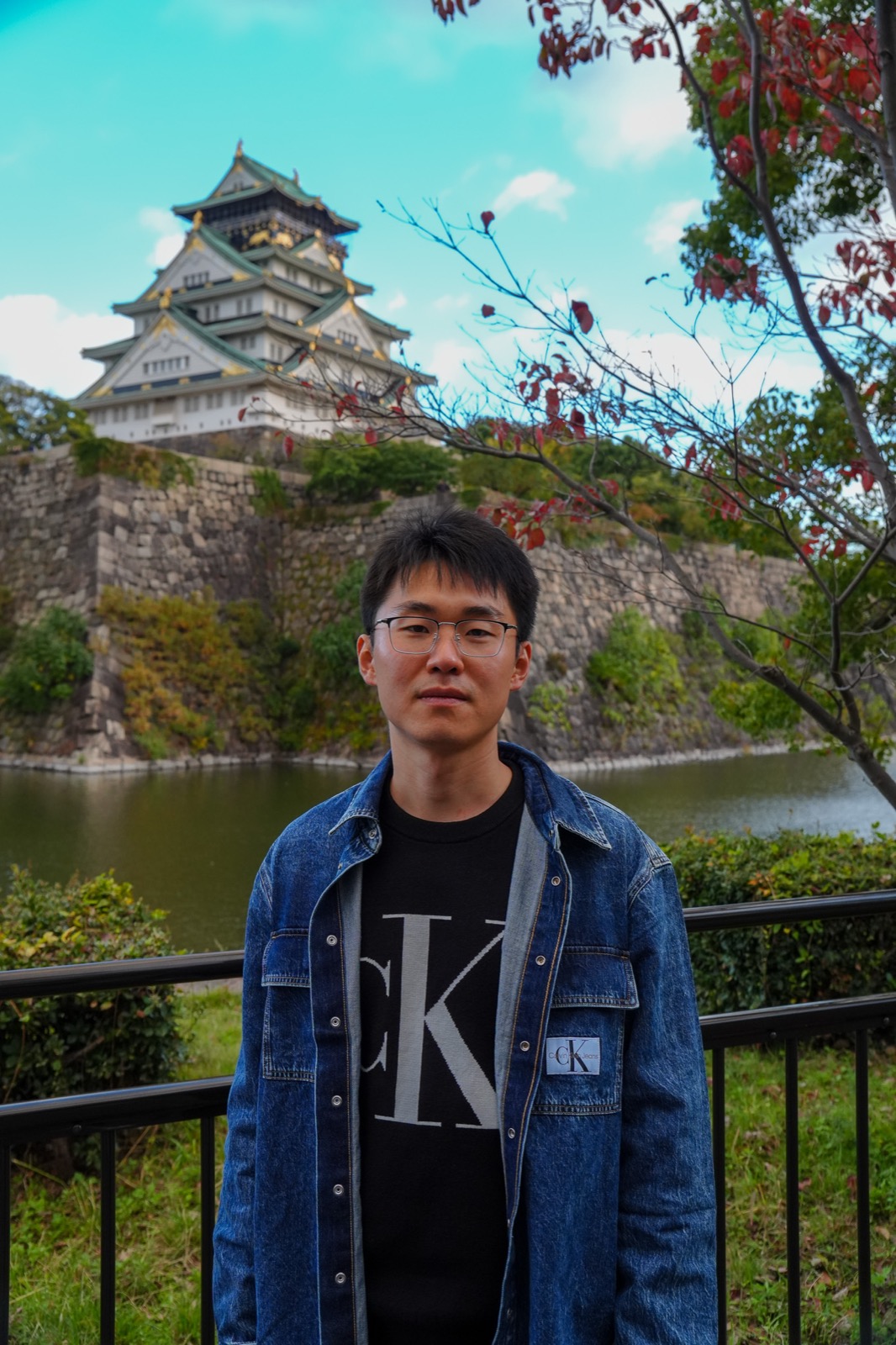
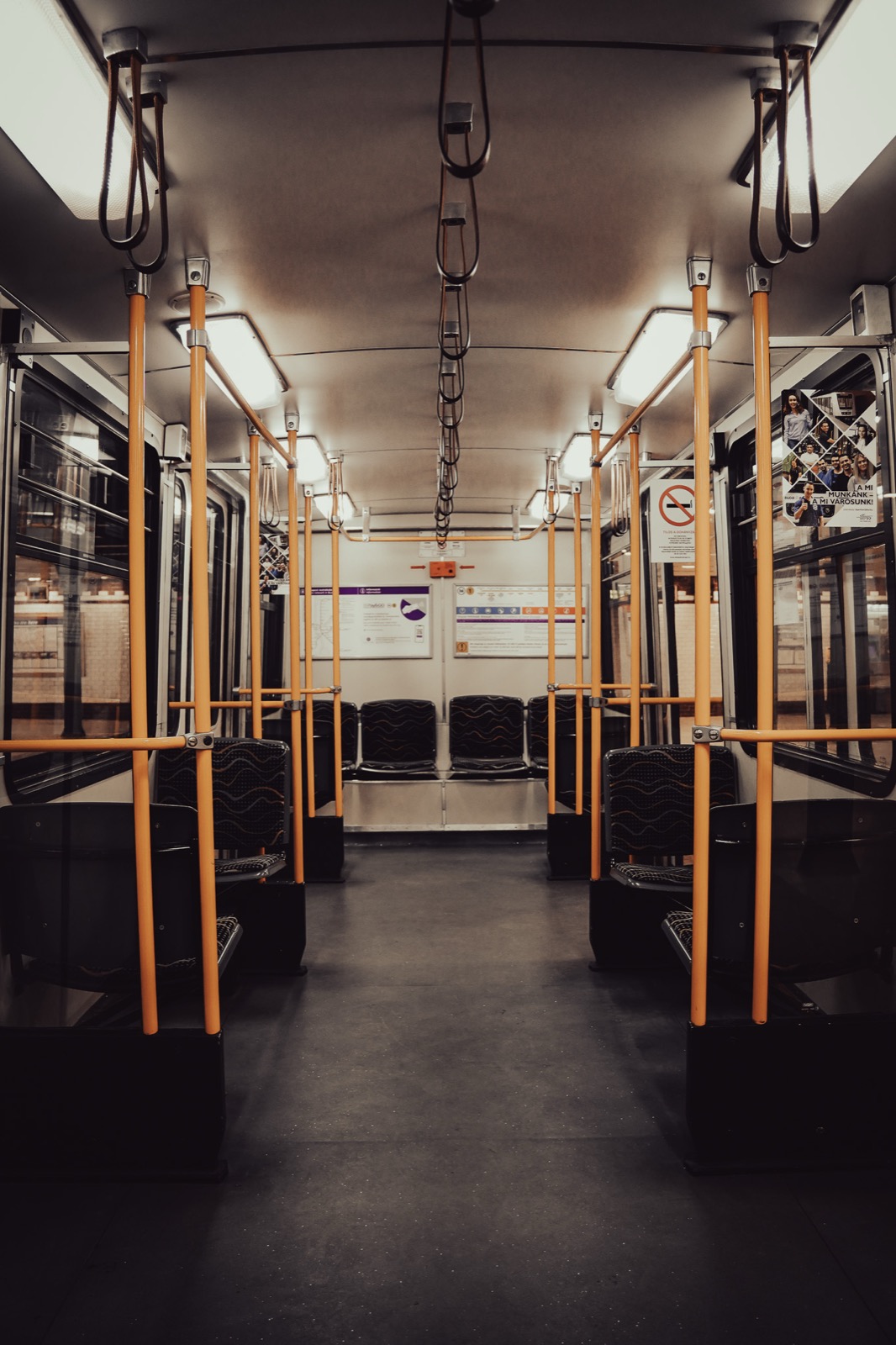
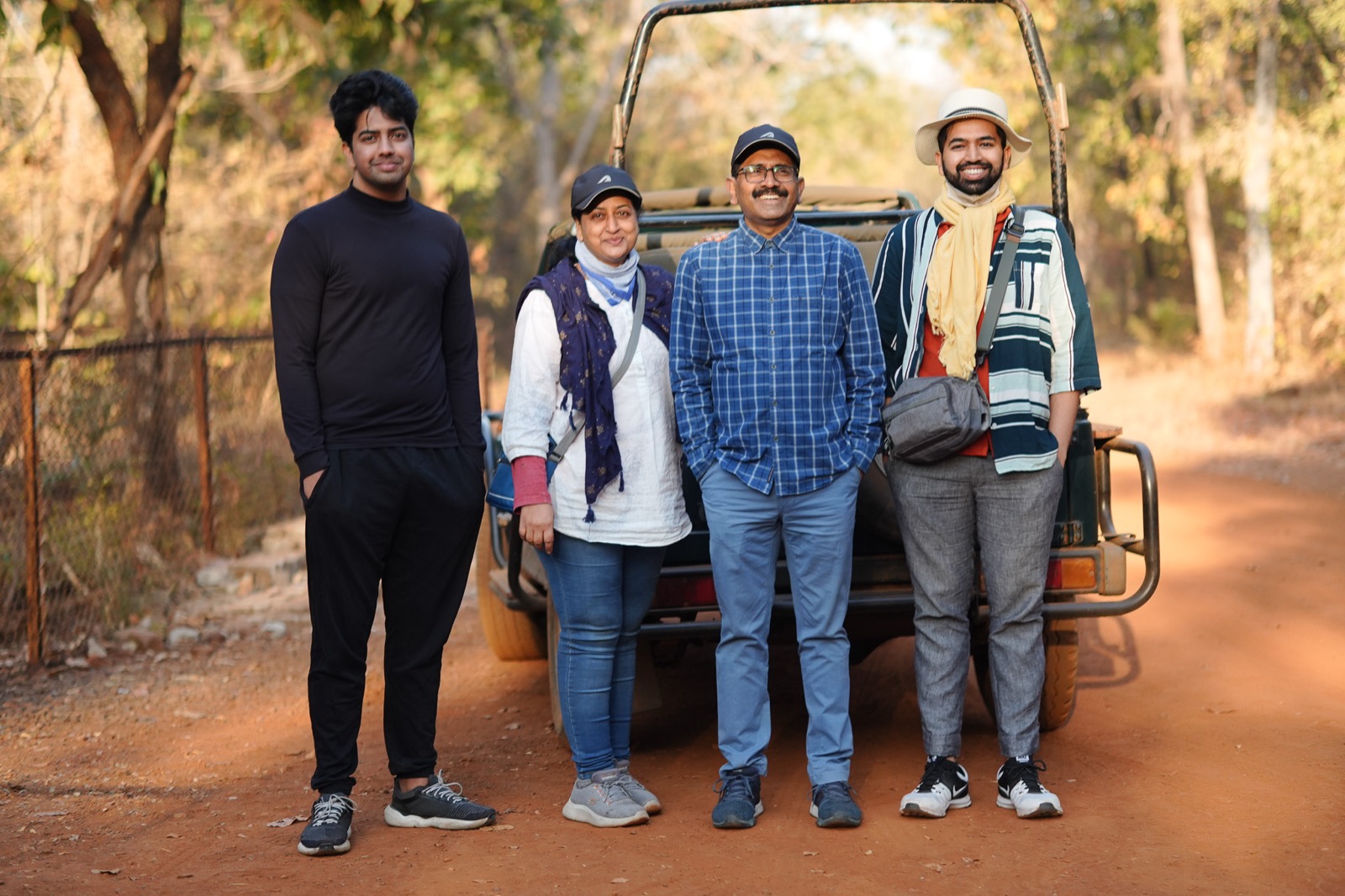
One camera, a single 23mm prime, golden hour. I shoot portraits, fits, and the cities I live in — and it's the visual half of the same brain that obsesses over color grading and type.
Constraint is the whole point: one lens, one light, walk until the frame finds you. The gallery further down the dune is the proof.
You can't study the color wheel for two hours and understand it. You have to train your eye over a long time.— on color
Side VIIThe Athlete
The same engine I point at apps, pointed at my own body — and the sports (soccer, badminton, volleyball) that are how I make friends in a new city.
Train the fundamentals, measure honestly, let sleep compound the gains. The pitch and the court are also the fastest way I've found to belong somewhere new.
Prioritize control and intention over speed.— my own soccer training notes
Side VIIIThe Mind
A reading life run like a syllabus — philosophy, history, business — all read through one lens: read to build, not to collect.
Everything points back at the work. The point isn't to accumulate facts; it's to keep widening the set of moves available the next time I sit down to make something.
Everything is interconnected. Singing makes you a better speaker; games train you to perform under pressure. Each skill feeds the next. If you want to be truly unstoppable, learn everything.— from the notes
Beyond the horizonDreams
Write a TV show — I've watched thousands of hours of film and anime, only the best, mostly to take apart why they work.
Finish the manga — the "next Death Note or Game of Thrones": a complex plot that's somehow easy to follow.
Make Westworld real, as a game you can actually live inside.
Open a café that's a third place for serious makers — writers, artists, builders, one room.
Find the talented, curious people I'd do all of the above with.
PhotographsThe eye, on location
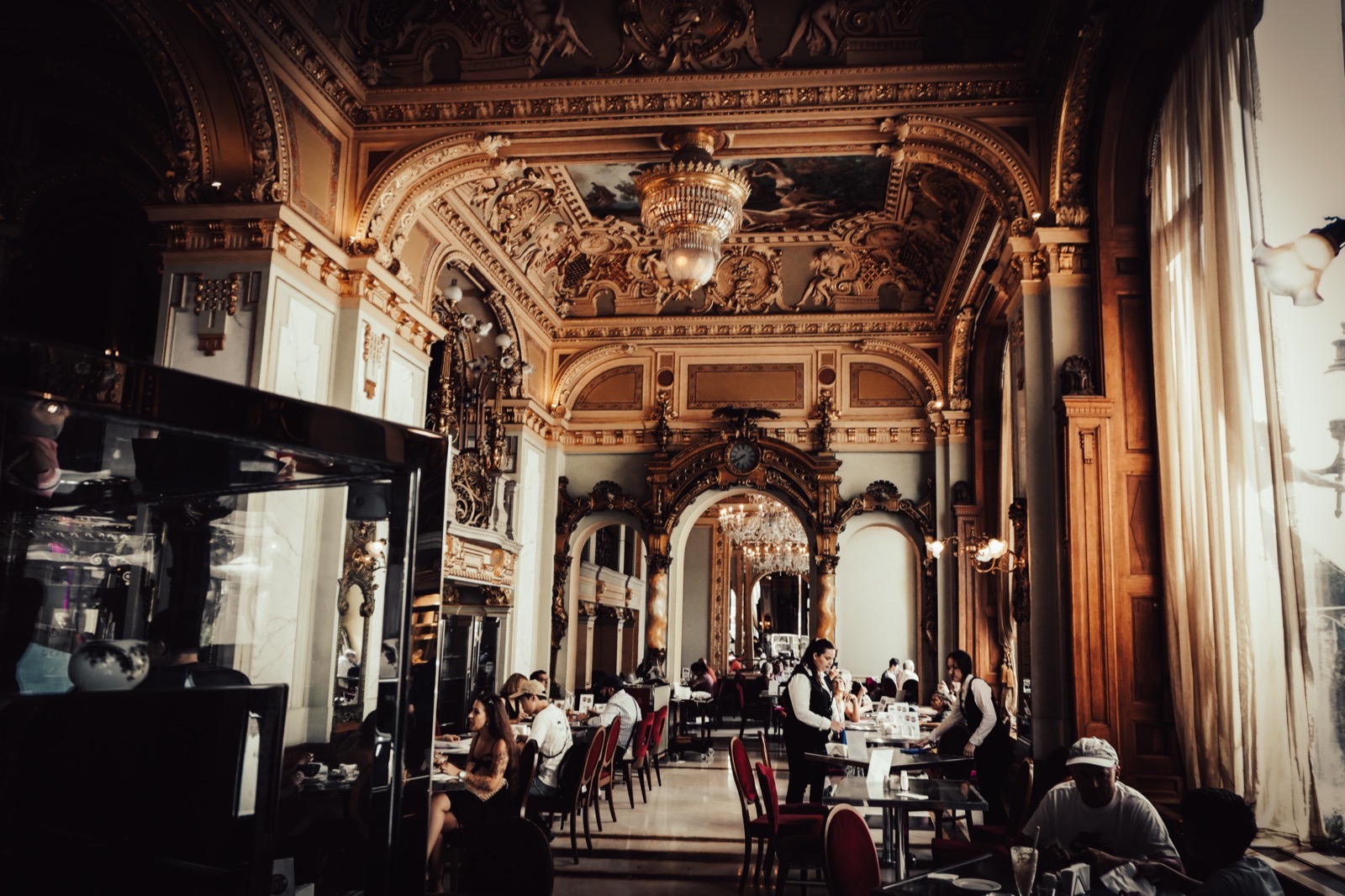
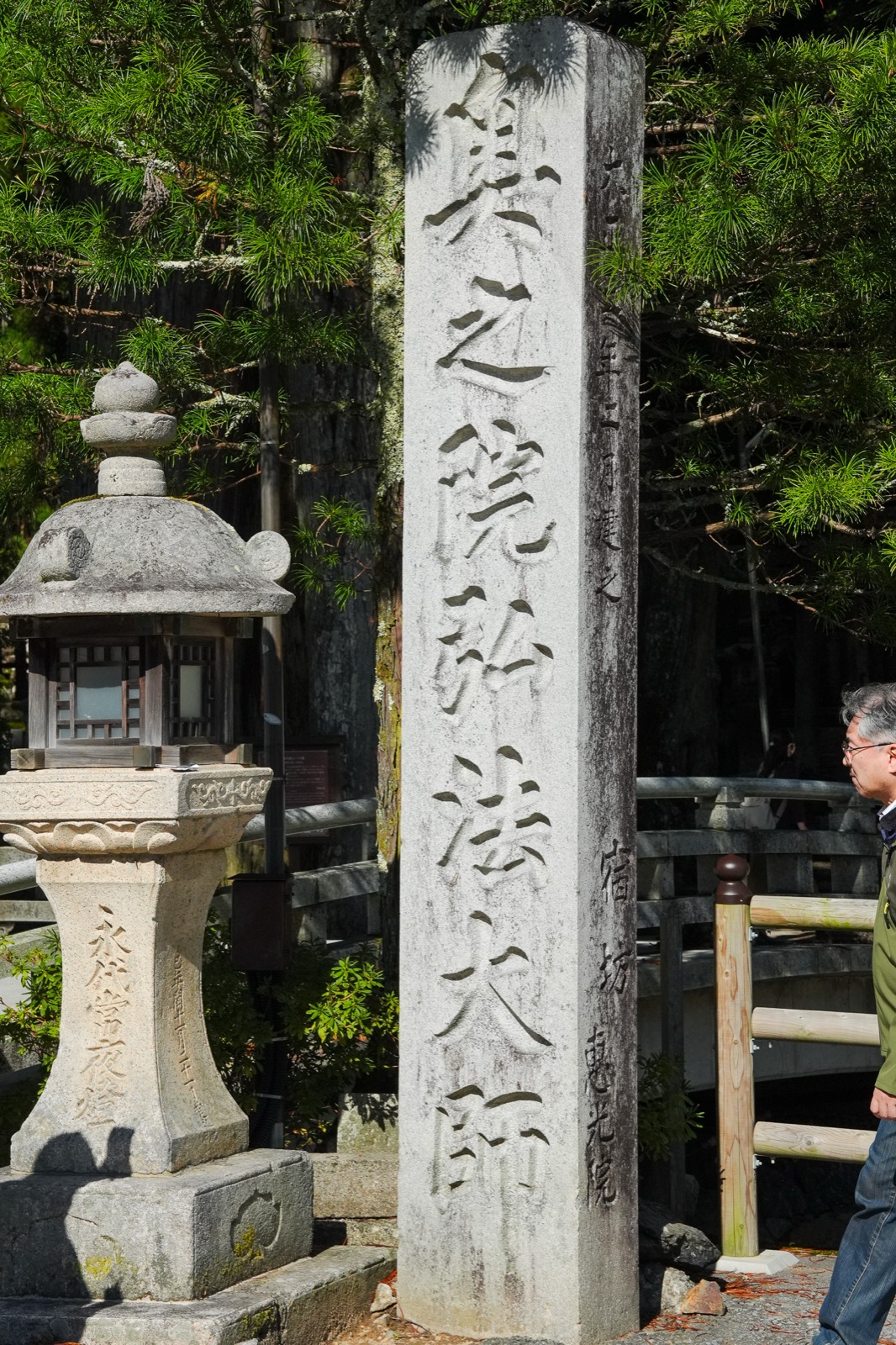
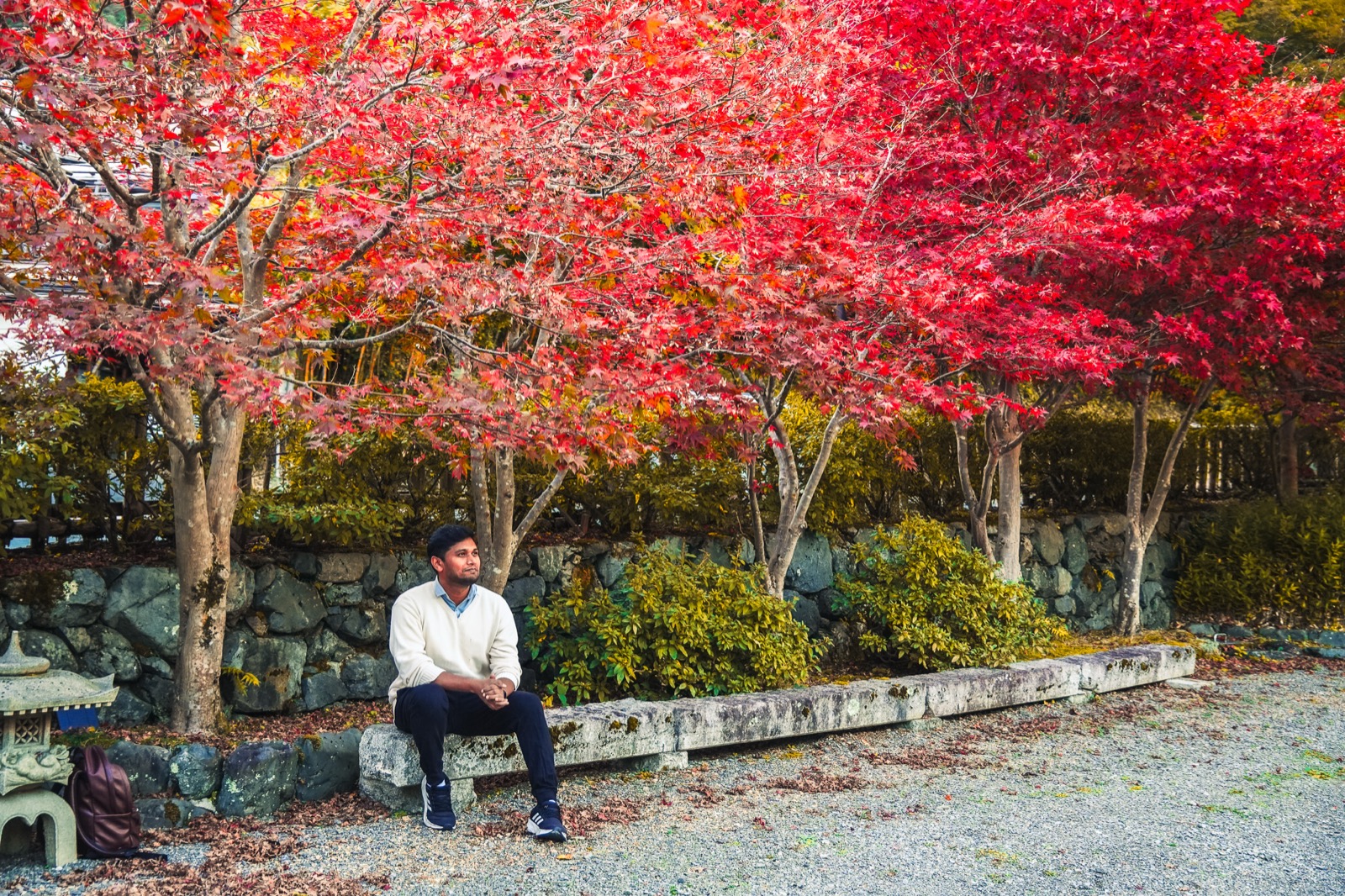
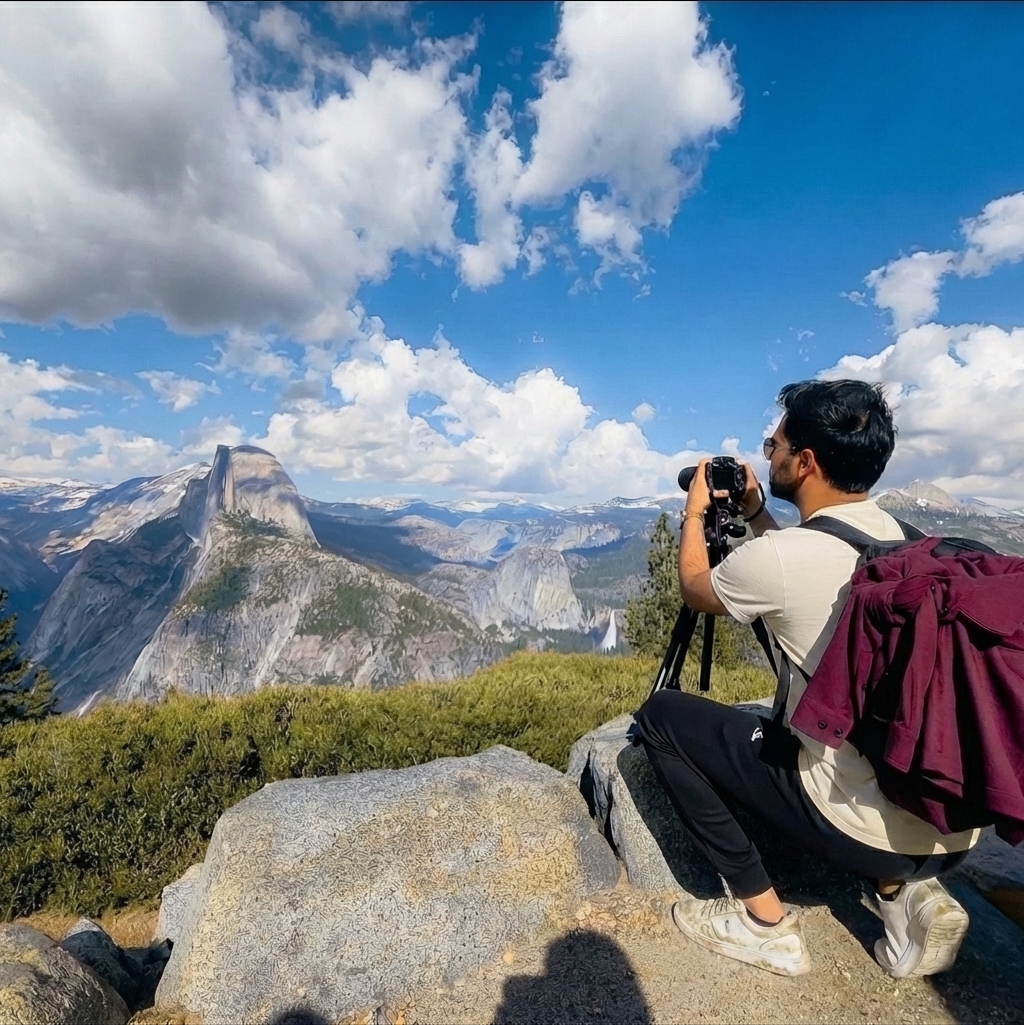
Portraits, fits, and the cities I've lived in — Osaka, Tokyo, Kōyasan, Budapest, Lisbon, Nagpur. One camera, a single prime, natural light, graded by hand.




WritingIdeas, not portfolio
Distinct from the work — ideas, not portfolio.
Not willpower — a method: find where the common advice is wrong, build a feedback loop, and let sleep do the heavy lifting.
At my financial peak I was lonelier than I'd ever been — so I quit, lost almost everything, and spent a year figuring out what a life is for.
After 100+ hours behind the screen, the magic isn't the dice or the lore — it's a handful of frameworks for a world that's already moving when players walk in.
I optimized for the grade at every school I attended, and it worked — which is exactly the problem.
I'd done everything right for six months and the scale wouldn't move — until I stopped treating it like willpower and started treating it like a bug.
And some things I do purely for myself — painting like no one will ever see it, building and painting Gundam kits, singing in the mornings, the occasional cosplay. No goal. Just the doing.
ConnectLet's build something
Collaborators, co-conspirators, friends. If any of these worlds is also yours — or you just want to scheme — say hi. The best things in my life started as a five-hour first conversation with a stranger.